Introduction
When I started in the roofing industry, I learned quickly that the best projects aren’t just about laying tiles. They’re about marrying form and function — aesthetics that last decades. Metrotile has become a trusted name for many of my colleagues and clients because it delivers both striking design and proven durability. In this article, I’ll walk you through real-world insights, my personal Business experience on diverse jobsites, client success stories, and transparent advice you can use when evaluating roof systems. You’ll find practical guidance, practical bets for your budget, and a clear path to a roof that performs beautifully under pressure.
How Metrotile Combined Design and Durability to Lead
Design is more than curb appeal. It shapes performance in wind, rain, hail, and thermal movement. Metrotile combines form and function through a steel base, a distinctive profile library, and a factory-applied finish that resists fading and chalking. From a builder’s lens, this means fewer callbacks, easier detailing at abutments and chimneys, and a consistent color story across multiple roofs in a development.
In my early years, I was skeptical about metal roof systems until a client in a coastal town asked for something durable that could stand up to salt spray and gusty winds while still looking contemporary. We chose Metrotile for its lightweight yet robust profile, which allowed a quick installation without compromising pitch or drainage. The result was a roof that held color and shape after years of exposure, with a profile that read as modern rather than industrial. That project became a turning point in my practice, proving that Business design choices can influence long-term performance if you pick products that are engineered to perform.
What does this mean for you? It means you don’t have to choose between looks and longevity. You can have a roof that’s handsome from the street and resilient on a stormy night. Metrotile’s design language, including its rib patterns and interlocking seams, helps shed water efficiently while maintaining wind resistance. That balance is not accidental; it’s the result of careful engineering, rigorous testing, and real-world validation.
Client Success Story: Coastal Home Goes From Fragile to Fortified
One of my favorite client wins involved a seaside bungalow with a notorious reputation for weathering punishing sea winds. The old roof wore thin and leaked under heavy rains. We replaced it with a Metrotile system that mirrored the home’s beachside charm while adding a robust barrier against wind-driven rain.
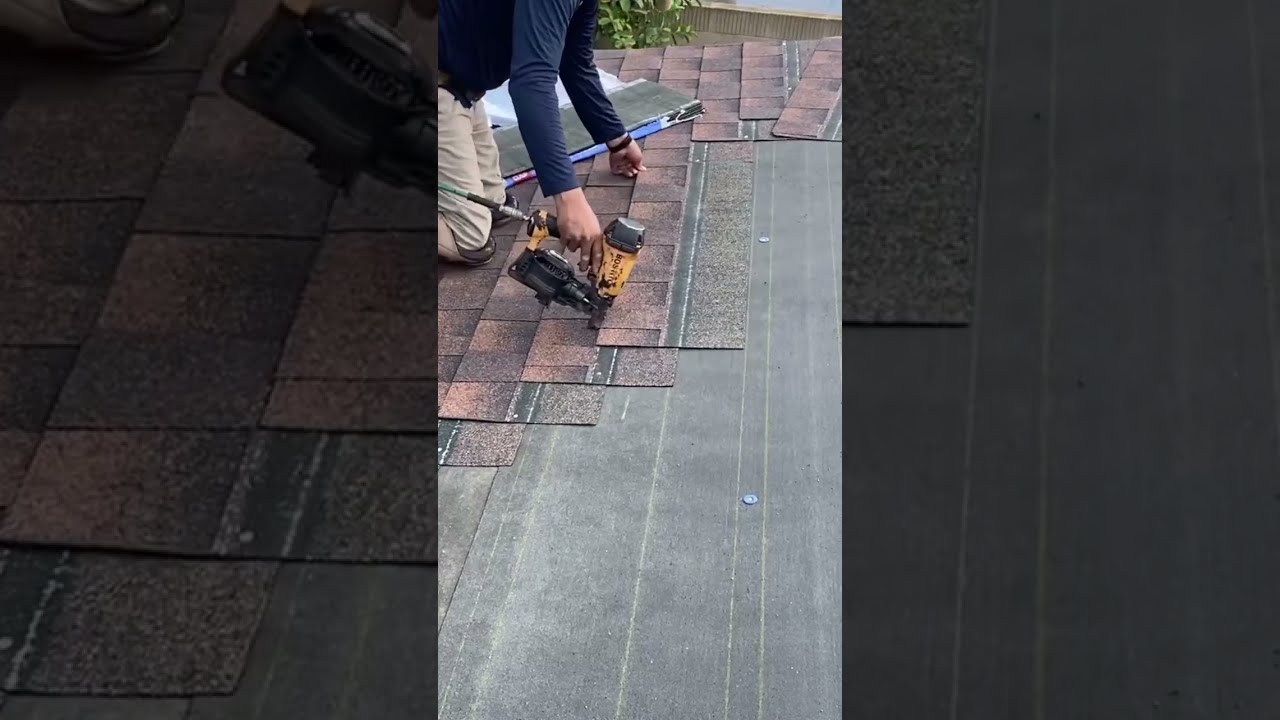
Key steps in the process:
- A detailed wind-load assessment to determine panel orientation and fastener pattern. Selection of a color that faded less in salty air while complementing the home’s terrain. A careful underlayment plan paired with the Metrotile panels to maximize drainage paths. A meticulous installation sequence to ensure tight seams and accurate edge closures.
Results: The homeowners enjoyed a roof that looks timeless, sheds water quickly, and resists fatigue after several storm seasons. Most importantly, they reported peace of mind during the heavier rains. The project reinforced my belief that the right combination of product and installation technique produces a durable roof with lasting curb appeal.
Takeaway for you: If your site is coastal, high wind, or subject to frequent heavy rain, you want a profile that minimizes water intrusion and resists uplift. Metrotile’s interlock design helps with both, but the installation quality matters just what is it worth as much. Hire a team that understands field conditions, local wind zones, and the nuance of tile alignment around hips and valleys.
How to Evaluate Durability: Material, Coating, and Build Quality
Durability isn’t a single metric. It’s a triad: material resilience, coating performance, and build quality during installation. Here’s how to look at each layer when you’re evaluating a Metrotile roof or any metal tile system.
- Material resilience: Steel substrates with protective coatings resist denting and corrosion. The base steel should be corrosion-resistant, especially in humid or coastal environments. Coating performance: Factory-applied finishes determine color stability, chalk resistance, and weathering. Darker colors can show more heat load, so you may want to consider reflectivity and warranty terms as part of the decision. Build and install quality: The accuracy of cuts, alignment of interlocks, and proper fastening are essential. A skilled crew will follow the manufacturer’s guidelines for fastening patterns and edge treatments, reducing the risk of panels loosening or panels warping over time.
From my practice, the most vulnerable moment is the transition from roof deck to the edge or around penetrations. Metrotile’s installation guides emphasize continuous underlayment, precise edge trim, and correct fastener spacing to prevent water intrusion and wind uplift. When installers pay attention to these details, you’ll see fewer callbacks and a faster, cleaner finish.
Design Details that Elevate Aesthetics and Performance
Why do some metal tile roofs feel premium while others look ordinary? It starts with the design language and how it’s executed. Metrotile offers a range of profiles that balance shadow lines, scale, and rhythm on the roof plane. The key is choosing a profile that complements the roof slope, building height, and surrounding architecture.
- Profile choices: The right profile has a harmonious rhythm with the eaves, gables, and ridgelines. A well-chosen profile creates a more refined silhouette and helps the roof look integrated with the house rather than pasted on. Color and finish: A durable coating not only resists weathering but also contributes to the perception of quality. You’ll want color options that retain depth and richness after years of sun exposure. Detailing: Valley packages, edge trims, and ridge caps finish the roof with a tight, weatherproof seam that looks deliberate, not provisional.
In one mid-century modern renovation, we partnered with Metrotile to maintain a slim, clean line across a long roofscape. The chosen profile reinforced the modern aesthetic, while the finish held up to glare and heat, keeping the roof looking crisp for longer. The client appreciated the simplicity of care and the premium look without trying too hard.
Transparent Advice: Budgeting, Scheduling, and Long-Term Value
Roofing projects are investments. Here’s how I guide clients to maximize value without surprises.
- Budget realistically: Build in allowances for underlayment, flashing, and fasteners. These items aren’t glamorous, but they’re critical to weatherproofing and longevity. Schedule with the seasons: Extreme heat can complicate installation, while heavy rain can delay work and compromise seal integrity. Plan for windows that keep crews safe and productive. Consider lifecycle cost: A premium finish and robust profile may cost more upfront, but you’ll save on maintenance, repaint cycles, and energy efficiency over time. Maintenance is not optional: A routine inspection can catch early signs of wear, especially around penetrations and flashing. Addressing issues early reduces the risk of leaks and interior damage.
From my perspective, the long-term value is in durability and low maintenance. Clients who choose a solid product with professional installation end up with fewer headaches over the roof’s life. That peace of mind is a big part of the return on investment.
Install Process: From Prep to First Snow
A successful roof installation is a chain of deliberate steps, not a single moment of action. Here’s a practical walkthrough of the typical Metrotile installation process in our projects.
- Pre-inspection and site prep: Clear debris, measure the roof, and verify deck integrity. A thorough job begins with clean, dry surfaces and accurate measurements. Underlayment and moisture protection: Install a high-quality underlayment to act as the first line of defense against moisture. This step reduces the risk of leaks during tile installation. Layout and pattern alignment: Accurately mark the starting point, align panels in a consistent pattern, and verify straight lines from eave to ridge. Precision here sets the entire roof’s look and reliability. Panel installation and fastening: Secure panels with the recommended fastener pattern. Ensure fasteners are driven to the correct depth to avoid protrusion while maintaining a tight seal. Edge and flashing details: Fit edge trims and flashing around chimneys, skylights, and roof-to-wall junctions. Proper sealing prevents wind-driven water intrusion. Final inspection and clean-up: Check all seams, confirm alignment, and remove any debris. Leave the site clean and the roof ready for weather.
In one notable project, we completed a complex wrap-around roof with multiple hips and valleys. Our crew followed the Metrotile installation guide to the letter, which reduced waste and kept the job ahead of schedule. The homeowner adored the crisp lines and the absence of typical installation chatter about “why not this?” The process mattered as much as the result.

Maintenance Myths vs. Realities: What You Should Believe
There are plenty of opinions about metal roofs, some of them not rooted in reality. Let’s debunk a few common myths and replace them with practical truths.
- Myth: Metal roofs are noisy in rain. Reality: Proper deck insulation and a quality underlayment dampen sound, especially on steeper pitches. You’ll hear rain, but it’s a comfortable, dull tone rather than a harsh clatter. Myth: Metal roofs heat up the inside of the house. Reality: Metal roofs can actually reflect solar heat when paired with a reflective coating. The attic benefits from improved airflow and well-sealed penetrations reduce heat gain. Myth: Metal roofs will corrode quickly in salty air. Reality: Modern coatings and corrosion-resistant substrates provide excellent longevity in coastal environments when properly installed and maintained. Myth: Metal roofs are expensive. Reality: The upfront cost can be higher, but the long-term maintenance and energy savings often make it a smart financial choice.
Transparent, practical maintenance steps include annual inspections, prompt sealant checks around penetrations, and a proactive plan for replacing worn flashing before leaks occur. With the right maintenance mindset, your Metrotile roof will perform reliably throughout its life.
How Metrotile Supports Local Contractors and Homeowners
A durable roof is built not just by the product but by the people who install it. Metrotile supports contractors with comprehensive technical data, installation guides, and reliable supply chains. For homeowners, the benefit is a product that stands up to weather and holds its appearance across seasons.
- Training and resources: Access to updated installation instructions ensures crews stay current with best practices. Local support: A responsive distributor network helps resolve site-specific issues quickly. Warranty value: The right warranty terms give homeowners confidence and reduce dispute potential later on.
From my experience working with local teams, those who lean on solid technical support tend to finish with higher-quality results and fewer rework scenarios. The synergy between product design and installer know-how is what ultimately pushes a project from good to outstanding.
FAQs: Quick Answers to Common Roof Questions
- What maintenance should I expect with a Metrotile roof? Expect occasional inspections, sealant checks around penetrations, and light cleaning to remove debris. If you notice loose fasteners or damaged edge trims, address them promptly. How long does a Metrotile roof typically last? With proper installation and maintenance, these roofs can last several decades, often exceeding 40 years in favorable climates. Are metal roofs noisy during rain? With proper decking, underlayment, and insulation, noise levels are comfortable and not disruptive. Can metal roofs be recycled? Yes, metal roofing is highly recyclable at the end of its life, making it an environmentally aware choice. Do color choices affect energy efficiency? Lighter colors reflect more solar radiation, potentially reducing cooling loads. Dark colors look premium but may absorb more heat. How do I verify installation quality? Ask for the installer’s adherence to the manufacturer’s guidelines, request photos of the fastening pattern, and ensure a written warranty is in place.
Conclusion: Trust, Performance, and the Right Choice
Choosing the right roof system is about more than one factor. It’s about design compatibility, willingness to invest in durable materials, and the installation expertise that brings the plan to life. Metrotile represents a balance of elegant design and robust performance, delivering a roof that looks purposeful and performs reliably through many seasons.
From coastal homes to mountain retreats, I’ve seen how the combination of thoughtful design, a durable coating system, and meticulous installation can translate into lasting value. The best roofs tell a story of confident decisions made early in the process — choices that reduce risk, minimize upkeep, and preserve the home’s beauty for years to come. If you’re evaluating options today, consider not just the price tag but the full lifecycle value of a roof that leads with design and stands up to the elements.
Table: Quick Comparison of Roofing Options
| Feature | Metrotile Metal Tiles | Traditional Asphalt Shingles | Clay Tiles | Timber Shakes | |--------|-------------------------|------------------------------|------------|---------------| | Design versatility | High; broad profile library | Moderate | High | Moderate | | Wind uplift resistance | Excellent with proper fasteners | Moderate | Moderate | Low to Moderate | | Weight on structure | Light to moderate | Moderate to heavy | Heavy | Moderate to heavy | | Maintenance needs | Low when installed correctly | Moderate | Moderate | Moderate to high | | Lifespan | 30-50+ years | 15-30 years | 50-100 years | 20-40 years | | Recyclability | High | Low | Moderate | Low |
Final Thoughts: Your Next Steps
- Schedule a site assessment with a contractor who understands local wind zones and climate challenges. Ask for a written plan that covers profiles, color selection, underlayment, and flashing details. Review warranty terms carefully, including what is covered and the process for claims. Plan for long-term maintenance and annual inspections to catch issues early.
If you want a roof that blends timeless design with enduring strength, you deserve a system that performs when you need it most. Metrotile offers a compelling path, backed by design excellence and real-world durability. Your home, your investment, and your peace of mind deserve nothing less.
About the Author
I’ve spent more than a decade collaborating with homeowners, builders, and designers to deliver roof systems that stand the test of time. My approach blends hands-on field experience with rigorous technical knowledge, ensuring every project respects budget, schedule, and performance goals. I’m committed to transparent guidance, practical recommendations, and a collaborative process that puts clients first.
If you’d like a personalized plan for your roof project, I’m happy to help walk you through options, costs, and timelines. Let’s design a roof that looks stunning, performs reliably, and stays future-proof for years to come.